
Monthly Archives: July 2026
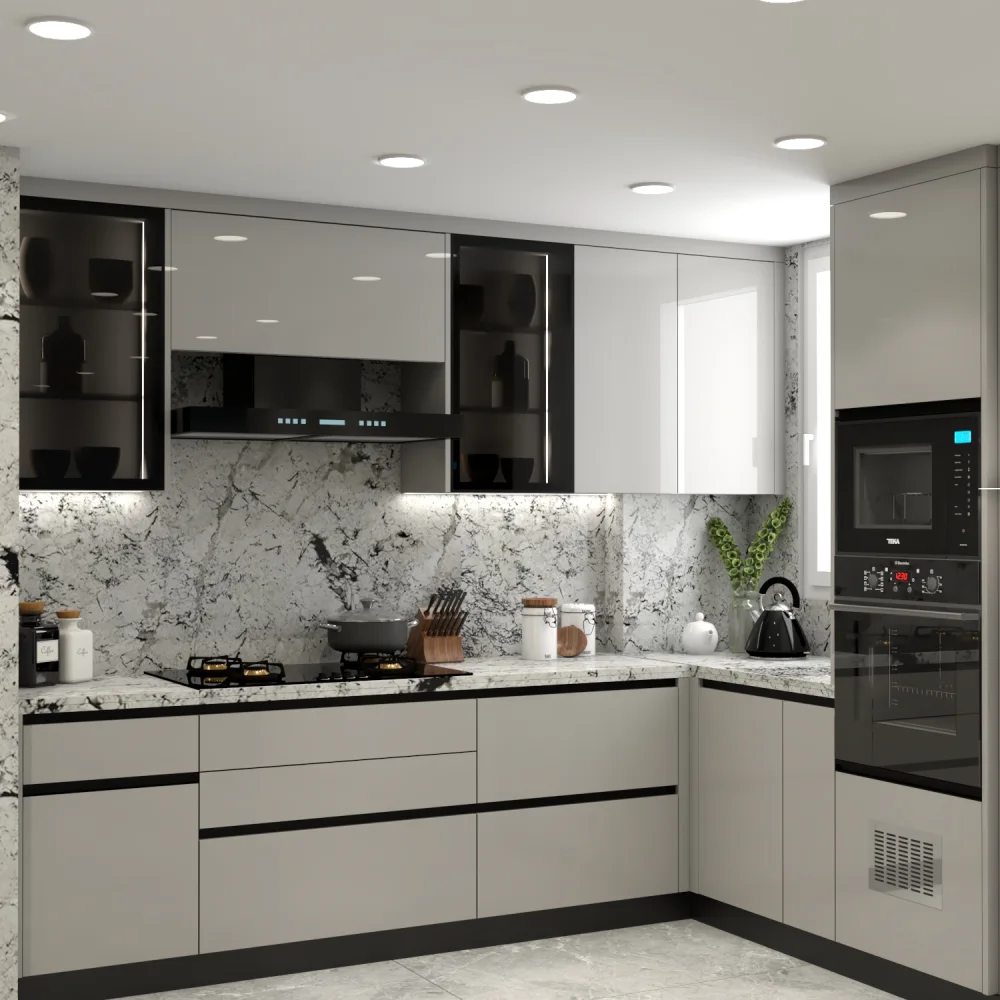
Modular Kitchen: The Ultimate Guide to Designing a Stylish, Functional & Modern Kitchen

Introduction
The kitchen is the heart of every home. It is where families gather, meals are prepared, and memories are created. As lifestyles evolve, homeowners are moving away from traditional kitchens and embracing modular kitchens that combine aesthetics, functionality, and smart space utilization.
A modular kitchen is more than just beautiful cabinets—it is a thoughtfully designed cooking space that maximizes storage, improves workflow, and enhances the overall look of your home. Whether you have a compact apartment or a spacious villa, a modular kitchen can be customized to suit your needs, lifestyle, and budget.
In this comprehensive guide, we’ll explore everything you need to know about modular kitchens, from layouts and materials to accessories, maintenance, and design tips.
What is a Modular Kitchen?
A modular kitchen is a modern kitchen system made up of pre-manufactured cabinet modules that are designed and assembled according to the available space. These modules include base cabinets, wall cabinets, tall units, drawers, shelves, and storage accessories that work together to create an organized and efficient kitchen.
Unlike traditional carpentry-built kitchens, modular kitchens are factory-manufactured with precision, ensuring superior quality, durability, and finish.
Why Choose a Modular Kitchen?
A modular kitchen offers several advantages over conventional kitchen designs.
Smart Space Utilization
Every inch of available space is used efficiently with customized storage solutions.
Modern Appearance
Clean lines, elegant finishes, and premium materials give your kitchen a sophisticated look.
Better Organization
Dedicated storage for utensils, groceries, spices, cookware, and appliances keeps everything organized.
Easy Maintenance
Smooth surfaces and modular components make cleaning quick and hassle-free.
Customizable Design
Choose from a wide range of colors, finishes, layouts, and accessories to match your home’s interior.
Faster Installation
Since most components are factory-made, installation is quicker compared to traditional kitchens.
Types of Modular Kitchen Layouts
L-Shaped Kitchen
One of the most popular layouts, the L-shaped kitchen is perfect for small and medium-sized homes.
Best For
- Apartments
- Compact homes
- Open kitchens
Benefits
- Efficient workflow
- Plenty of counter space
- Easy movement
- Maximizes corner storage
U-Shaped Kitchen
A U-shaped kitchen offers storage and countertops on three sides.
Best For
- Large families
- Spacious homes
Benefits
- Maximum storage
- Separate work zones
- Ideal for frequent cooking
Parallel Kitchen
Also known as a galley kitchen, this layout features two parallel countertops.
Best For
- Narrow spaces
- Modern apartments
Benefits
- Efficient workflow
- Excellent storage
- Easy access to appliances
Straight Kitchen
A single-wall kitchen where all cabinets and appliances are placed along one wall.
Best For
- Studio apartments
- Small homes
Benefits
- Space-saving
- Budget-friendly
- Simple and elegant
Island Kitchen
An island kitchen includes a freestanding counter in the center.
Best For
- Luxury homes
- Open floor plans
Benefits
- Additional workspace
- Dining area
- Extra storage
- Premium appearance
Peninsula Kitchen
Similar to an island but attached to one side of the kitchen.
Benefits
- Additional counter space
- Better workflow
- Suitable for medium-sized kitchens
Essential Components of a Modular Kitchen
A modular kitchen consists of several functional units.
Base Cabinets
Used for storing cookware, utensils, and kitchen essentials.
Wall Cabinets
Provide additional storage without occupying floor space.
Tall Units
Ideal for storing groceries, pantry items, and built-in appliances.
Drawers
Designed for cutlery, spices, plates, and kitchen tools.
Corner Units
Maximize the use of otherwise unused corner spaces.
Overhead Cabinets
Offer extra storage for infrequently used items.
Popular Materials Used in Modular Kitchens
Plywood
Highly durable and moisture-resistant.
Advantages
- Strong
- Long-lasting
- Suitable for humid climates
MDF (Medium Density Fiberboard)
Smooth surface with excellent finishing.
Advantages
- Affordable
- Attractive appearance
- Ideal for painted finishes
HDF (High Density Fiberboard)
More durable than MDF and offers superior strength.
Particle Board
A cost-effective option suitable for budget kitchens.
Stainless Steel
Ideal for commercial kitchens and moisture-prone areas.
Benefits
- Rust-resistant
- Hygienic
- Long lifespan
Cabinet Finishes
Laminate Finish
The most popular choice due to its affordability and durability.
Features
- Scratch-resistant
- Wide range of colors
- Easy maintenance
Acrylic Finish
Provides a glossy, luxurious appearance.
Benefits
- High shine
- Elegant finish
- Modern look
PU (Polyurethane) Finish
Premium painted finish with excellent durability.
Benefits
- Smooth appearance
- Rich colors
- Easy cleaning
Membrane Finish
PVC film is pressed over MDF boards.
Advantages
- Seamless finish
- Affordable
- Moisture-resistant
Veneer Finish
Made from natural wood for a luxurious appearance.
Benefits
- Premium look
- Natural texture
- Timeless elegance
Smart Storage Solutions
Modern modular kitchens include innovative storage accessories.
- Tandem drawers
- Cutlery organizers
- Bottle pull-outs
- Pantry units
- Corner carousel units
- Magic corner systems
- Plate racks
- Spice pull-outs
- Waste bins
- Tall pantry storage
These accessories improve accessibility while reducing clutter.
Kitchen Countertop Materials
Granite
- Durable
- Heat-resistant
- Affordable
Quartz
- Non-porous
- Low maintenance
- Elegant appearance
Marble
- Luxurious
- Beautiful natural patterns
- Requires regular maintenance
Solid Surface
- Seamless finish
- Repairable
- Modern appearance
Importance of Kitchen Ventilation
A modular kitchen should have proper ventilation to remove smoke, grease, and odors.
Installing a high-quality kitchen chimney improves air quality while protecting cabinets and walls from grease buildup.
A modern chimney with Auto Clean technology, LED lighting, and high suction power complements any modular kitchen.
Essential Kitchen Appliances
A modern modular kitchen can include:
- Kitchen Chimney
- Gas Hob
- Built-in Oven
- Microwave Oven
- Water Purifier
- Dishwasher
- Refrigerator
- Sink with Pull-Out Faucet
Integrating appliances creates a cleaner and more organized appearance.
Lighting for a Modular Kitchen
Good lighting improves both functionality and aesthetics.
Recommended lighting includes:
- Ceiling LED lights
- Under-cabinet lighting
- Pendant lights
- Cove lighting
- Task lighting above countertops
Warm white lighting creates a welcoming atmosphere while improving visibility during cooking.
Modular Kitchen Design Trends
Some of the latest trends include:
- Matte finish cabinets
- Handleless drawers
- Soft-close hinges
- Open shelving
- Quartz countertops
- Smart storage accessories
- Integrated appliances
- Neutral color palettes
- Wooden textures
- Minimalist designs
These trends combine beauty with practicality.
Tips for Choosing the Right Modular Kitchen
Before designing your kitchen, consider:
- Available space
- Cooking habits
- Family size
- Storage requirements
- Budget
- Preferred materials
- Color theme
- Appliance integration
- Ventilation requirements
A professional kitchen designer can help optimize the layout for maximum efficiency.
Maintenance Tips
To keep your modular kitchen looking new:
- Clean countertops daily.
- Wipe cabinets with a soft cloth.
- Avoid excessive moisture.
- Clean chimney filters regularly.
- Organize storage periodically.
- Check hinges and drawer channels.
- Use mild cleaning solutions.
Regular maintenance extends the life of your kitchen.
Common Mistakes to Avoid
- Ignoring the kitchen work triangle.
- Choosing insufficient storage.
- Poor lighting placement.
- Selecting low-quality materials.
- Not planning electrical points.
- Ignoring ventilation.
- Overcrowding the kitchen with accessories.
Careful planning ensures long-term satisfaction.
Benefits of a Modular Kitchen
- Elegant and modern appearance
- Efficient use of available space
- Organized storage
- Easy maintenance
- Faster installation
- Customizable designs
- Durable construction
- Better workflow
- Increased property value
- Comfortable cooking experience
Frequently Asked Questions
What is the biggest advantage of a modular kitchen?
A modular kitchen offers customized storage, modern aesthetics, efficient space utilization, and easy maintenance.
Which material is best for modular kitchen cabinets?
Marine-grade plywood is widely recommended due to its strength, durability, and moisture resistance.
Is a modular kitchen suitable for small homes?
Yes. Modular kitchens are designed to maximize available space, making them ideal for apartments and compact homes.
Which countertop is the most durable?
Quartz and granite are among the most durable and low-maintenance countertop materials.
How long does a modular kitchen last?
A well-designed modular kitchen built with quality materials and maintained properly can last 15–25 years or more.
Conclusion
A modular kitchen is a perfect blend of style, functionality, and innovation. With customized layouts, premium materials, smart storage solutions, and integrated appliances, it transforms everyday cooking into a seamless and enjoyable experience.
Whether you’re renovating your existing kitchen or designing a new home, investing in a modular kitchen enhances convenience, improves organization, and adds lasting value to your property. By selecting the right layout, quality materials, efficient storage, and modern appliances, you can create a kitchen that is not only visually stunning but also practical for years to come.
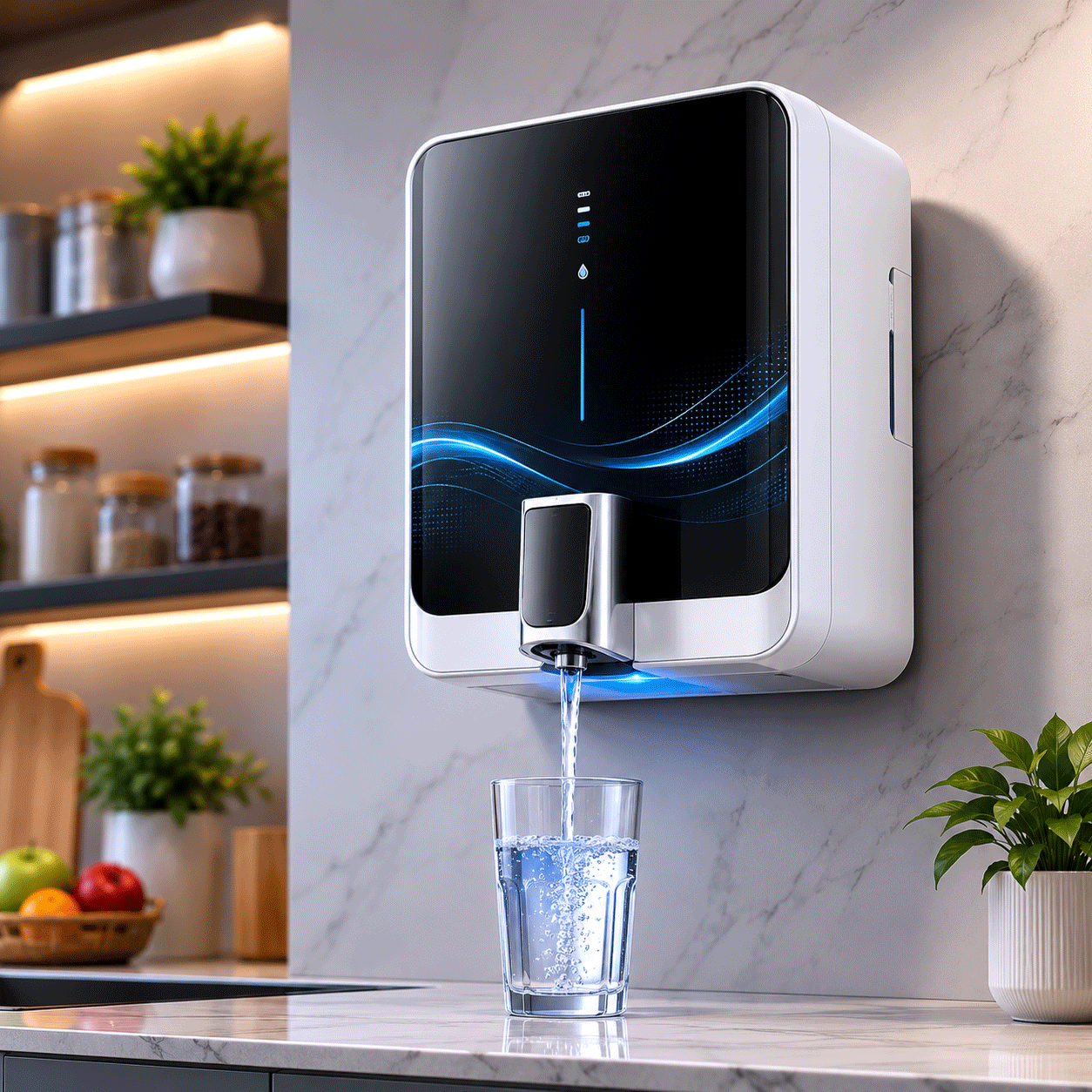
Water Purifier: The Complete Guide to Choosing the Right Water Purifier for Your Home
Introduction
Water is one of the most essential elements for a healthy life, but not all water is safe to drink. Contaminants such as bacteria, viruses, heavy metals, pesticides, excess salts, and dissolved impurities can make water unsafe and lead to serious health issues. A reliable water purifier ensures that every glass of water your family drinks is clean, safe, and healthy.
Modern water purifiers use advanced purification technologies like RO (Reverse Osmosis), UV (Ultraviolet), UF (Ultrafiltration), and TDS controllers to remove harmful contaminants while retaining essential minerals. Whether you live in a city apartment or a rural home, investing in the right water purifier is one of the best decisions for your family’s health.
What is a Water Purifier?
A water purifier is an appliance designed to remove harmful impurities, microorganisms, chemicals, and dissolved solids from water, making it safe for drinking and cooking.
Unlike traditional filtration methods, modern water purifiers use multiple purification stages to eliminate contaminants while improving the taste, odor, and overall quality of water.
Why Every Home Needs a Water Purifier
Safe drinking water is the foundation of good health. Here are some of the major benefits of installing a water purifier:
Protects Your Family’s Health
Purified water helps prevent waterborne diseases such as typhoid, cholera, dysentery, diarrhea, and hepatitis.
Removes Harmful Contaminants
Advanced purification technologies eliminate bacteria, viruses, heavy metals, pesticides, chlorine, and harmful chemicals.
Improves Taste and Odor
A water purifier removes unpleasant smells and bad taste caused by chlorine and impurities.
Preserves Essential Minerals
Modern purifiers with mineral retention technology maintain essential minerals like calcium and magnesium for healthier drinking water.
Convenient Access to Clean Water
Enjoy purified drinking water instantly without relying on bottled water.
How Does a Water Purifier Work?
A modern water purifier follows a multi-stage purification process.
- Sediment Filter removes dust, sand, rust, and suspended particles.
- Activated Carbon Filter absorbs chlorine, bad odor, pesticides, and organic chemicals.
- RO Membrane removes dissolved salts, heavy metals, fluoride, arsenic, and harmful impurities.
- UV Chamber destroys bacteria and viruses using ultraviolet light.
- UF Membrane provides additional protection by removing microscopic particles.
- Mineral Cartridge restores essential minerals and enhances the taste of water.
The result is clean, healthy, and great-tasting drinking water.
Types of Water Purifiers
RO (Reverse Osmosis) Water Purifier
RO technology forces water through a semi-permeable membrane that removes dissolved impurities and harmful contaminants.
Best For
- Borewell water
- High TDS water
- Hard water
- Municipal water with high contamination
Advantages
- Removes heavy metals
- Removes excess salts
- Eliminates fluoride and arsenic
- Produces highly purified water
UV Water Purifier
UV technology uses ultraviolet rays to kill bacteria, viruses, and microorganisms.
Best For
- Municipal water
- Low TDS water
- Soft water
Advantages
- Chemical-free purification
- Fast purification
- Kills harmful microbes effectively
UF (Ultrafiltration) Water Purifier
UF purification removes suspended particles and microorganisms without electricity.
Best For
- Low TDS water
- Areas with frequent power cuts
Advantages
- Low maintenance
- No electricity required
- Affordable option
RO + UV + UF Water Purifier
This is the most advanced and widely recommended purification system.
Benefits
- Multi-stage purification
- Removes dissolved impurities
- Kills bacteria and viruses
- Improves taste
- Suitable for most water sources
Understanding TDS (Total Dissolved Solids)
TDS refers to the amount of dissolved minerals and salts present in water.
Below 150 ppm
Very low mineral content.
150–300 ppm
Excellent drinking water quality.
300–500 ppm
Acceptable for drinking.
Above 500 ppm
Water purification using RO technology is strongly recommended.
Modern water purifiers with TDS controllers ensure the right balance of purity and essential minerals.
Important Features to Look For
Multi-Stage Purification
A purifier with 6 to 10 purification stages provides comprehensive protection against different contaminants.
TDS Controller
Maintains essential minerals while reducing excessive dissolved solids.
Mineral Enhancer
Adds back beneficial minerals that improve taste and support overall health.
UV Sterilization
Provides an additional layer of protection by destroying bacteria and viruses.
Smart LED Display
Premium water purifiers feature digital displays that provide information such as:
- Filter life
- Water quality
- Tank status
- Service alerts
- Purification mode
Large Storage Tank
Storage capacity typically ranges from 7 to 15 liters.
Choose a larger tank for bigger families or areas with frequent power cuts.
Smart Auto Shut-Off
Automatically stops purification when the storage tank is full, saving electricity and extending the life of the purifier.
Types of Installation
Wall-Mounted Water Purifier
Most popular option for modern kitchens.
Benefits:
- Saves counter space
- Easy access
- Stylish appearance
Countertop Water Purifier
Ideal where wall installation is not possible.
Under-the-Sink Water Purifier
Installed inside the kitchen cabinet for a clean and minimalist look.
Perfect for modular kitchens.
How to Choose the Right Water Purifier
Consider the following before purchasing:
Water Source
- Municipal Supply
- Borewell Water
- Tanker Water
TDS Level
Test your water to determine whether RO purification is required.
Family Size
- 1–3 Members: 7–8 L Storage
- 4–6 Members: 8–10 L Storage
- Large Families: 10–15 L Storage
Daily Water Consumption
Select a purifier that matches your family’s drinking and cooking water needs.
Benefits of a Water Purifier
- Provides safe drinking water
- Removes bacteria and viruses
- Eliminates harmful chemicals
- Removes heavy metals
- Improves taste and odor
- Preserves essential minerals
- Reduces dependency on bottled water
- Supports healthy digestion
- Protects children and elderly family members
- Offers peace of mind every day
Water Purifier Maintenance Tips
To keep your purifier performing efficiently:
- Replace filters as recommended by the manufacturer.
- Clean the storage tank regularly.
- Schedule annual servicing.
- Check the RO membrane periodically.
- Keep the exterior clean using a soft cloth.
- Use only genuine replacement filters.
Regular maintenance improves purification efficiency and extends the lifespan of the appliance.
Common Mistakes to Avoid
- Buying an RO purifier without checking the TDS level.
- Ignoring filter replacement schedules.
- Purchasing an undersized storage tank.
- Delaying annual servicing.
- Using non-genuine replacement filters.
Signs That Your Water Purifier Needs Service
- Slow water flow
- Unpleasant taste or odor
- Water leakage
- Indicator showing filter replacement
- Reduced purification speed
- Unusual operating noise
Timely servicing ensures consistent water quality and protects your family’s health.
Frequently Asked Questions
Which water purifier is best for home use?
A RO + UV + UF water purifier with a TDS controller is ideal for most Indian households, especially where water quality varies.
Is RO water safe for daily drinking?
Yes. Modern RO purifiers with mineral retention technology provide safe drinking water while maintaining essential minerals.
How often should filters be replaced?
Most filters require replacement every 6–12 months, depending on water quality and usage.
Does a water purifier remove bacteria and viruses?
Yes. UV technology destroys bacteria and viruses, while RO and UF remove many harmful contaminants and microorganisms.
Do I need a water purifier if I receive municipal water?
Yes. Municipal water may still contain chlorine, microorganisms, or dissolved impurities. A purifier provides an extra layer of safety.
Conclusion
A water purifier is one of the most important appliances for ensuring your family’s health and well-being. With advanced technologies such as RO, UV, UF, and mineral enhancement, modern purifiers deliver clean, safe, and great-tasting water every day.
Before choosing a water purifier, evaluate your water source, TDS level, family size, storage requirements, and preferred features. Investing in the right purifier not only protects your loved ones from waterborne diseases but also provides long-term convenience, better health, and peace of mind.
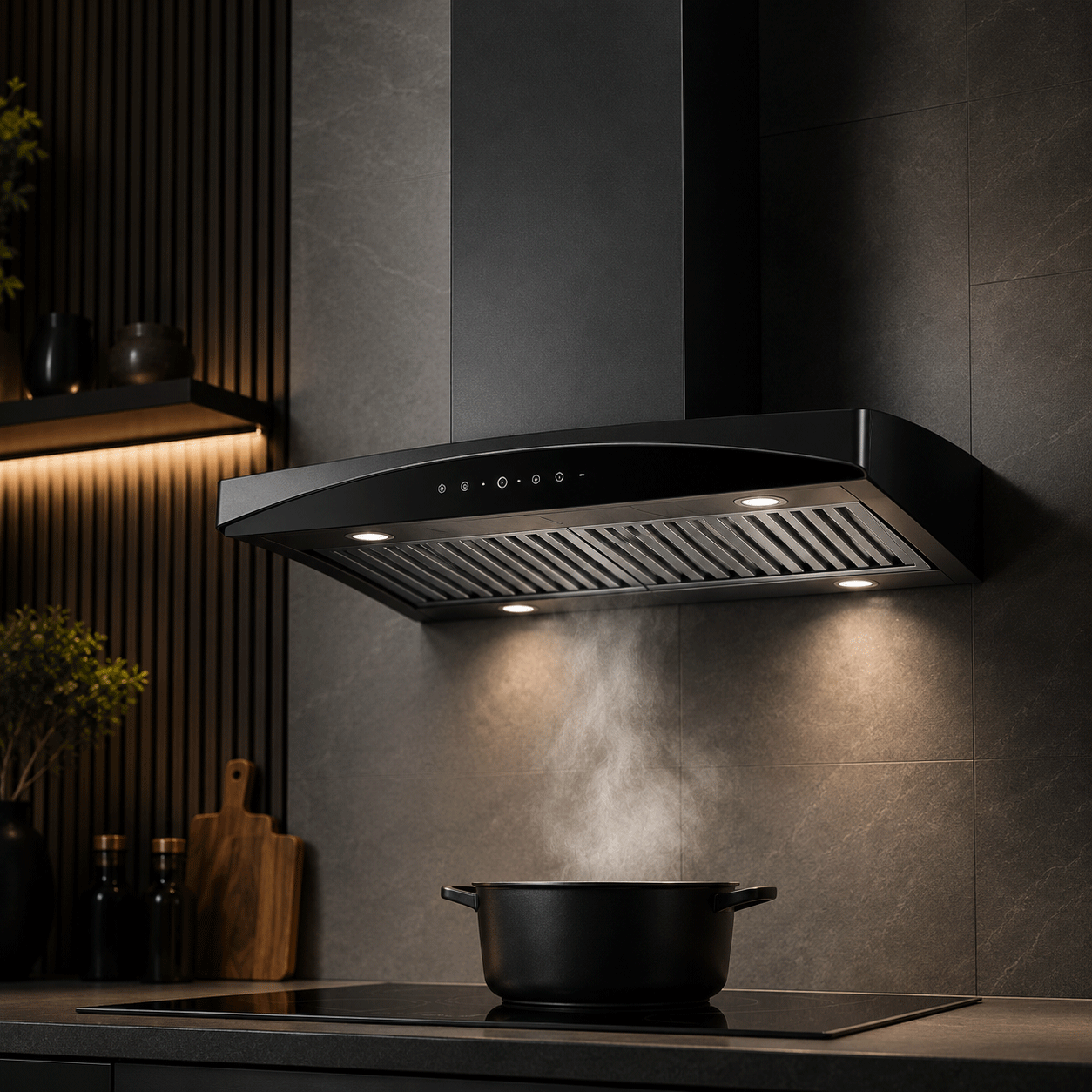
Kitchen Chimney: The Complete Guide to Choosing the Perfect Chimney for Your Modern Kitchen
Introduction
A kitchen chimney is no longer a luxury—it has become an essential appliance for every modern home. Indian cooking often involves frying, grilling, and the use of aromatic spices that produce smoke, grease, and strong odors. Without proper ventilation, these pollutants settle on walls, cabinets, ceilings, and countertops, making the kitchen difficult to maintain.
A modern kitchen chimney effectively removes smoke, oil particles, heat, and unpleasant odors, keeping your kitchen fresh, hygienic, and comfortable. Whether you’re planning a new modular kitchen or upgrading your existing one, selecting the right kitchen chimney can significantly improve your cooking experience.
What is a Kitchen Chimney?
A kitchen chimney is an electrically powered ventilation appliance installed above the gas stove or cooktop. It uses a high-speed motor and powerful suction to pull in smoke, grease, steam, and cooking fumes generated during cooking.
Inside the chimney are specially designed filters that trap grease and oil particles, while clean air is either expelled outside through a duct or purified and recirculated back into the kitchen.
Why Every Kitchen Needs a Chimney
A quality kitchen chimney offers several benefits beyond smoke removal.
Cleaner Kitchen
Grease and oil particles remain trapped inside the chimney instead of sticking to walls, cabinets, and ceilings.
Smoke-Free Cooking
Powerful suction quickly removes smoke from frying, grilling, and tempering spices.
Fresh Air
The chimney eliminates unpleasant food odors, maintaining a pleasant kitchen environment.
Health Benefits
Continuous removal of smoke reduces exposure to harmful pollutants and improves indoor air quality.
Better Visibility
Cooking becomes easier when smoke does not obstruct your vision.
Protects Modular Kitchen
Expensive cabinets, laminates, and wall finishes remain cleaner and last longer.
How Does a Kitchen Chimney Work?
The working process is simple yet highly effective.
- The motor generates strong suction.
- Smoke, steam, and grease are pulled into the chimney.
- Filters capture oil and grease particles.
- Clean air is expelled outside through a duct or purified and recirculated.
This process keeps your kitchen cleaner after every cooking session.
Types of Kitchen Chimneys
1. Wall Mounted Chimney
The most common chimney installed against the kitchen wall above the gas stove.
Ideal for:
- Modular kitchens
- Apartments
- Independent houses
2. Island Chimney
Installed from the ceiling above kitchen islands.
Perfect for:
- Luxury kitchens
- Open kitchen layouts
- Designer homes
3. Built-in Chimney
Hidden inside kitchen cabinets for a minimalistic appearance.
Best suited for:
- Premium modular kitchens
- Contemporary interiors
4. Corner Chimney
Specially designed for kitchens where the cooking area is located at the corner.
Types of Chimney Filters
Cassette Filter
- Affordable
- Made using aluminum mesh layers
- Requires frequent cleaning
- Suitable for light cooking
Baffle Filter
The most popular filter in Indian kitchens.
Advantages:
- Excellent grease separation
- Long-lasting performance
- Low maintenance
- Perfect for heavy Indian cooking
Filterless Chimney
Uses advanced airflow technology instead of traditional filters.
Benefits:
- Minimal maintenance
- Consistent suction
- Better airflow
- No filter cleaning
Ducted vs Ductless Chimney
Ducted Chimney
Advantages:
- Superior smoke removal
- Removes heat effectively
- Ideal for heavy cooking
- Better long-term performance
Recommended for:
- Indian households
- Daily cooking
- Larger kitchens
Ductless Chimney
Advantages:
- Easy installation
- No external duct required
- Suitable for apartments
Limitations:
- Carbon filters need replacement
- Lower smoke removal efficiency
Understanding Suction Power
Suction power determines how efficiently a chimney removes smoke.
700–900 m³/hr
Suitable for:
- Small kitchens
- Light cooking
1000–1200 m³/hr
Suitable for:
- Medium-sized families
- Daily cooking
- Moderate frying
1200–1500+ m³/hr
Ideal for:
- Heavy Indian cooking
- Large families
- Frequent frying and grilling
Auto Clean Technology
Modern chimneys feature Auto Clean technology.
Benefits include:
- Reduces manual cleaning
- Collects oil in an oil collector tray
- Maintains consistent suction
- Extends motor life
This is one of the most recommended features for busy households.
Motion Sensor Technology
Premium kitchen chimneys now include gesture controls.
Simply wave your hand to:
- Turn ON
- Turn OFF
- Change fan speed
This feature is especially useful while cooking with oily or wet hands.
Touch Control Panel
Most modern chimneys offer:
- LED display
- Soft-touch controls
- Timer
- Speed adjustment
- Auto shut-off
These controls improve convenience while enhancing the appliance’s appearance.
LED Lighting
Integrated LED lights provide focused illumination over the cooktop.
Benefits:
- Better visibility while cooking
- Low electricity consumption
- Long lifespan
- Elegant appearance
Noise Level
A quality kitchen chimney should operate quietly.
Recommended noise level:
- 55–65 dB
Lower noise improves the overall cooking experience.
Choosing the Right Chimney Size
60 cm Chimney
Suitable for:
- 2-burner gas stove
75 cm Chimney
Suitable for:
- 3-burner cooktop
90 cm Chimney
Suitable for:
- 4 or 5 burner gas stove
- Large kitchens
Choosing the correct size ensures maximum smoke capture.
Installation Tips
- Install 24–30 inches above the cooktop.
- Use the shortest possible duct.
- Minimize bends in the duct pipe.
- Ensure proper electrical connection.
- Get installation done by trained professionals.
Kitchen Chimney Maintenance
To maintain peak performance:
- Clean filters regularly.
- Empty the oil collector.
- Wipe the exterior with a microfiber cloth.
- Schedule periodic servicing.
- Check the duct for blockages.
Proper maintenance improves suction efficiency and extends product life.
Common Mistakes to Avoid
- Buying low suction chimneys for heavy cooking.
- Choosing the wrong chimney size.
- Ignoring duct installation quality.
- Not cleaning filters regularly.
- Installing the chimney too high above the stove.
Benefits of Installing a Kitchen Chimney
- Removes smoke efficiently
- Eliminates cooking odors
- Prevents grease buildup
- Improves indoor air quality
- Protects kitchen cabinets
- Keeps walls cleaner
- Enhances kitchen aesthetics
- Increases cooking comfort
- Reduces cleaning effort
- Adds value to your home
Frequently Asked Questions
Does a kitchen chimney remove heat?
Yes. A ducted chimney removes a significant amount of cooking heat along with smoke and fumes.
Which filter is best for Indian cooking?
Baffle filters and filterless chimneys are the most suitable for Indian cooking due to their superior grease handling.
How often should chimney filters be cleaned?
Cassette filters should be cleaned every 2–4 weeks, while baffle filters generally require cleaning every 1–3 months depending on usage.
What is Auto Clean technology?
Auto Clean uses heat to melt grease into an oil collector, reducing manual maintenance and maintaining strong suction.
Is a kitchen chimney better than an exhaust fan?
Yes. A kitchen chimney removes smoke, grease, steam, and odors more efficiently than a conventional exhaust fan.
Conclusion
A kitchen chimney is an essential investment for maintaining a clean, healthy, and stylish kitchen. From improving indoor air quality to protecting your modular kitchen from grease and smoke, it offers numerous practical benefits.
When choosing a chimney, consider the size of your kitchen, cooking habits, suction capacity, filter type, noise level, and advanced features such as Auto Clean, Motion Sensor Controls, and LED lighting. Selecting the right model will ensure years of efficient performance while making your everyday cooking experience cleaner, fresher, and more enjoyable.